How to Audit Your Crypto Wallet for Privacy Leaks
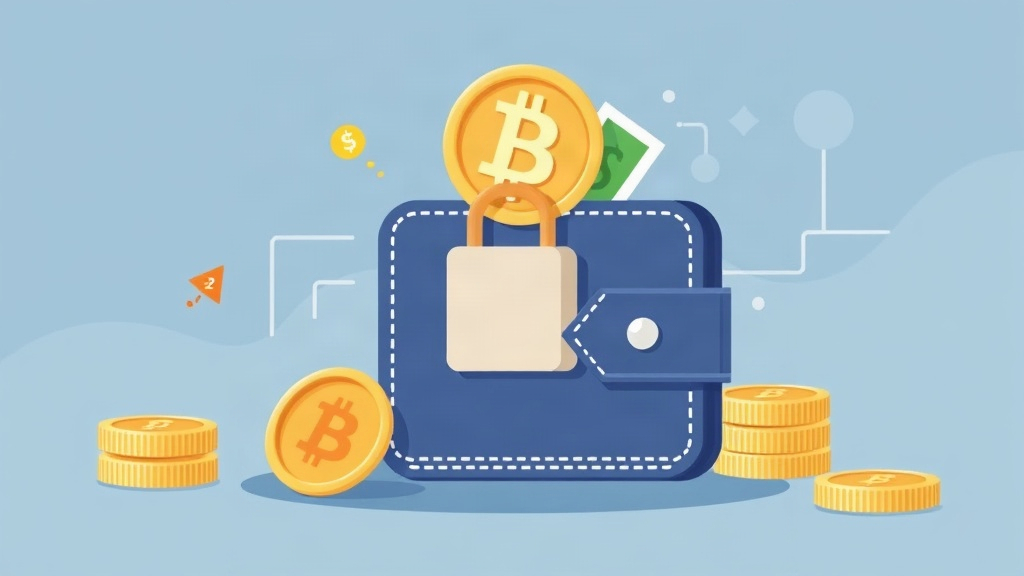
Why Wallet Privacy Audits Matter in Crypto
Cryptocurrency wallets are designed to give users control over their funds, but they can also unintentionally expose sensitive information. A privacy leak occurs when transaction data, wallet addresses, or metadata reveals your identity, spending habits, or holdings to third parties. This is especially risky in a space where financial privacy is increasingly under scrutiny.
Privacy leaks can happen through several vectors: reused addresses, unshielded transactions, or even metadata in wallet files. Without regular audits, you might unknowingly broadcast your financial activity to blockchain explorers, analytics firms, or even malicious actors. Conducting a privacy audit helps you identify vulnerabilities and take corrective action before it’s too late.
Common Privacy Risks in Cryptocurrency Wallets
Before diving into the audit process, it’s important to understand the most common privacy risks associated with crypto wallets:
- Address Reuse: Using the same wallet address for multiple transactions makes it easy for blockchain analytics tools to link your activity and potentially identify you.
- Public Transaction History: Most blockchains, like Bitcoin and Ethereum, are public ledgers. If your wallet addresses are linked to your identity, anyone can view your entire transaction history.
- Metadata Exposure: Some wallets store metadata (e.g., labels, notes) in plaintext, which can be accessed by anyone with access to your device or backup files.
- Centralized Services: Using custodial wallets or services like exchanges can expose your holdings and transactions to the service provider, which may share data with governments or third parties.
- Mixing Services and Privacy Coins: While privacy coins like Monero or Zcash offer built-in anonymity, using them incorrectly (e.g., converting from a transparent coin without proper steps) can still leak privacy.
Step-by-Step Guide to Auditing Your Wallet for Privacy Leaks
Now that you know the risks, here’s how to audit your wallet for privacy leaks. Follow these steps systematically to ensure comprehensive coverage.
Step 1: Check for Address Reuse
Start by reviewing all the addresses in your wallet. If you’ve used the same address more than once, you’ve already compromised your privacy. Here’s how to check:
- Open your wallet and list all receiving addresses.
- Use a blockchain explorer (e.g., Blockstream.info for Bitcoin) to search each address.
- Look for any transactions linked to these addresses. If you see multiple transactions, your address has been reused.
Fix: Generate a new address for every transaction moving forward. Most modern wallets (e.g., Electrum, Wasabi) support this by default. Avoid using custodial wallets for privacy-critical transactions.
Step 2: Analyze Transaction Visibility
Even if you’re using fresh addresses, your transactions might still be linkable. To audit this:
- Use a blockchain explorer to trace the flow of funds between addresses in your wallet.
- Look for patterns, such as multiple small transactions that add up to a larger one (a common tactic to obfuscate funds).
- Check if any of your addresses are tagged or labeled in public databases (e.g., WalletExplorer).
Fix: If you find linkable transactions, consider using a CoinJoin service (e.g., Wasabi Wallet, Samourai Wallet) to mix your coins with others, breaking the transaction trail. For Ethereum, tools like Tornado Cash (now defunct but alternatives exist) can help obscure transaction links.
Step 3: Inspect Wallet Metadata and Backups
Many wallets store additional data that could expose your privacy. This includes:
- Transaction labels or notes (e.g., "Rent payment" or "Gift for Alice").
- Backup files (e.g., wallet.dat for Bitcoin Core) that may contain sensitive information.
- Wallet software logs or cache files that store transaction history.
How to audit:
- Search your wallet files for plaintext labels or notes using a text editor.
- Check if your wallet software stores transaction history in a readable format (e.g., SQLite databases in some mobile wallets).
- Review any exported transaction history files (e.g., CSV or JSON) for sensitive metadata.
Fix: Delete or encrypt any files containing sensitive metadata. Use wallets that prioritize privacy, such as Samourai Wallet (Android) or Monero GUI, which do not store unnecessary metadata. Avoid storing wallet backups in cloud services or unencrypted devices.
Step 4: Evaluate Custodial vs. Non-Custodial Risks
If you’re using a custodial wallet (e.g., an exchange like Coinbase or Binance), your privacy is already at risk because the provider controls your funds and data. To audit this:
- Review the wallet provider’s privacy policy. Look for clauses about data sharing with governments or third parties.
- Check if the provider requires KYC (Know Your Customer) verification, which links your identity to your wallet addresses.
- Use a blockchain explorer to see if your exchange deposit addresses are reused or publicly tagged.
Fix: Migrate to a non-custodial wallet where you control your private keys. For maximum privacy, use a hardware wallet (e.g., Ledger, Trezor) combined with a privacy-focused software wallet. If you must use an exchange, withdraw funds to a self-custody wallet immediately after purchase.
Tools and Techniques for Advanced Privacy Audits
For users who want to go beyond basic audits, several advanced tools and techniques can help identify and mitigate privacy leaks.
Blockchain Analysis Tools
These tools help visualize transaction flows and identify potential privacy leaks:
- Chainalysis Reactor: Used by law enforcement, this tool can trace transactions across blockchains. While powerful, it’s primarily for professionals.
- OXT.me: A free blockchain explorer that visualizes transaction graphs and links addresses to entities.
- Bitcoin Core’s `scantxoutset`: A command-line tool to check if your wallet’s UTXOs (unspent transaction outputs) are already spent or linked elsewhere.
Privacy-Preserving Wallets
Switching to a wallet designed with privacy in mind can significantly reduce leaks. Consider these options:
- Wasabi Wallet: A Bitcoin wallet with built-in CoinJoin support to break transaction links.
- Samourai Wallet: Focuses on stealth addresses and transaction obfuscation for Bitcoin.
- Monero GUI: A wallet for the Monero privacy coin, which uses ring signatures and stealth addresses by default.
- Electrum with Privacy Plugins: Electrum itself is not private, but plugins like Electrum Personal Server can help reduce metadata leaks.
Network-Level Privacy
Privacy leaks aren’t just on-chain; they can also occur at the network level. To audit this:
- Use a VPN or Tor when connecting to your wallet to hide your IP address.
- Avoid using public Wi-Fi for wallet transactions, as it can expose your activity to network snoopers.
- Check if your wallet leaks IP addresses in transaction broadcasts (some wallets, like Electrum, allow you to broadcast transactions through Tor).
Proactive Steps to Maintain Wallet Privacy Long-Term
Auditing your wallet is just the first step. To maintain long-term privacy, adopt these proactive habits:
Best Practices for Everyday Use
- Use a dedicated wallet for privacy-critical transactions: Keep a separate wallet for activities where anonymity is important (e.g., donations, sensitive purchases).
- Avoid sharing wallet addresses publicly: Even if you use fresh addresses, broadcasting them on social media or forums can link them to your identity.
- Regularly update your wallet software: Developers often patch privacy-related vulnerabilities, so keeping your software up to date is crucial.
- Use a hardware wallet for large holdings: Hardware wallets reduce the risk of malware or keyloggers stealing your private keys.
Advanced Tactics for High Privacy Needs
For users who require maximum privacy (e.g., journalists, activists, or high-net-worth individuals), consider these advanced tactics:
- Use a dedicated device: A cheap, air-gapped laptop or a Raspberry Pi running a privacy-focused OS (e.g., Tails OS) can minimize exposure.
- Mix coins regularly: Use CoinJoin services periodically to obfuscate transaction history. Wasabi Wallet and Samourai Wallet offer built-in CoinJoin.
- Use privacy coins: For sensitive transactions, consider converting a portion of your holdings to Monero (XMR), which offers strong privacy guarantees by default.
- Practice operational security (OpSec): Avoid discussing your crypto holdings or transactions in public forums, and use burner phones or email addresses for wallet-related communications.
Conclusion: Take Control of Your Crypto Privacy
Privacy in cryptocurrency isn’t just about hiding your activity—it’s about taking control of your financial sovereignty. A wallet privacy audit is a critical step in identifying and fixing leaks before they compromise your security or anonymity. By following the steps outlined in this guide—checking for address reuse, analyzing transaction visibility, inspecting metadata, and evaluating custodial risks—you can significantly reduce your exposure.
Remember, privacy is a continuous process. The tools and techniques used by blockchain analysts are constantly evolving, so staying informed and proactive is key. Whether you’re a casual user or a privacy enthusiast, adopting the best practices and tools discussed here will help you safeguard your financial privacy in the crypto space.
Start your audit today, and take the first step toward a more private and secure crypto experience.
Related articles
Top Privacy-First Mobile Wallets for Secure Crypto Storage
How to Disable Wallet Telemetry for Better Crypto Privacy
How to Opt Out of Address Book Cloud Sync for Better Privacy

Disable Analytics in Your Crypto Wallet: A Privacy Guide

How to Avoid Distinctive Change Patterns in Crypto Transactions for Better Privacy
Looking for a privacy tool?
Browse every mixer, exchanger and Telegram bot in one place.