Link Prediction Blockchain: Securing Crypto Transactions with Privacy Tech

Understanding Link Prediction in Blockchain
Link prediction in blockchain refers to the challenge of tracing transactions between wallet addresses to uncover user identities. While blockchain offers pseudonymity, repeated transactions can reveal patterns that link addresses to real-world entities. This undermines privacy, making it critical for crypto users to understand how link prediction works and why it matters.
How Link Prediction Threatens Crypto Privacy
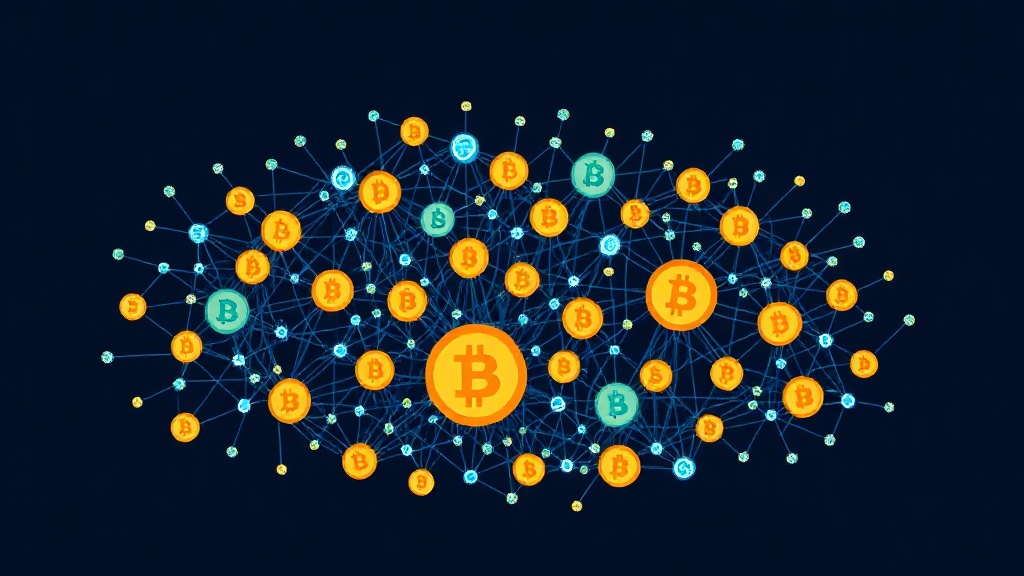
Blockchain analysts use link prediction algorithms to map transaction graphs, identifying clusters of addresses likely controlled by the same user. For example, if a wallet receives funds from an exchange and later sends coins to a merchant, analysts can infer the user's identity. This exposes sensitive data, such as spending habits or investment strategies, to third parties or malicious actors.
Strategies to Mitigate Link Prediction Risks
To protect privacy, users can adopt several tactics:
- Use Privacy Coins: Monero and Zcash employ ring signatures and zero-knowledge proofs to obscure transaction origins.
- Avoid Reusing Addresses: Generating a new address for each transaction breaks the link between senders and receivers.
- Leverage CoinJoin: Mixing transactions with others via services like Wasabi Wallet obscures the flow of funds.
- Use Non-Custodial Wallets: Storing funds in wallets you control reduces reliance on centralized exchanges, which are frequent targets for analysis.
Tools and Technologies for Enhanced Privacy
Advanced tools like Tornado Cash (a decentralized mixer) and Samourai Wallet (with stealth addresses) help users disrupt transaction trails. Additionally, zero-knowledge proofs allow verification of transaction validity without revealing sender, receiver, or amount details. These technologies are pivotal in countering link prediction efforts.
Practical Tips for Everyday Users
- Rotate Addresses: Always use a new address for incoming transactions.
- Avoid KYC Exchanges: Opt for platforms that don’t require identity verification.
- Combine Coins Strategically: Use privacy tools to mix funds before spending.
- Stay Updated: Follow developments in privacy-enhancing protocols like Mimblewimble.
Conclusion: Balancing Transparency and Privacy
Link prediction remains a significant challenge in blockchain’s quest for privacy. By leveraging privacy-focused coins, non-custodial wallets, and mixing services, users can safeguard their financial data. As regulatory scrutiny grows, proactive measures will be essential to maintain anonymity in an increasingly transparent digital economy.
Related articles
Address Embedding Analysis: Enhancing Cryptocurrency Privacy and Security
Feature Extraction Transactions: Enhancing Cryptocurrency Privacy and Security
Understanding Graph Neural Network Attribution in Crypto Privacy
Unsupervised Entity Clustering: A Guide for Privacy in Crypto
Supervised Address Classification: A Guide for Crypto Privacy
Looking for a privacy tool?
Browse every mixer, exchanger and Telegram bot in one place.