Multi-Hop Fund Tracing: How Crypto Transactions Stay Hidden
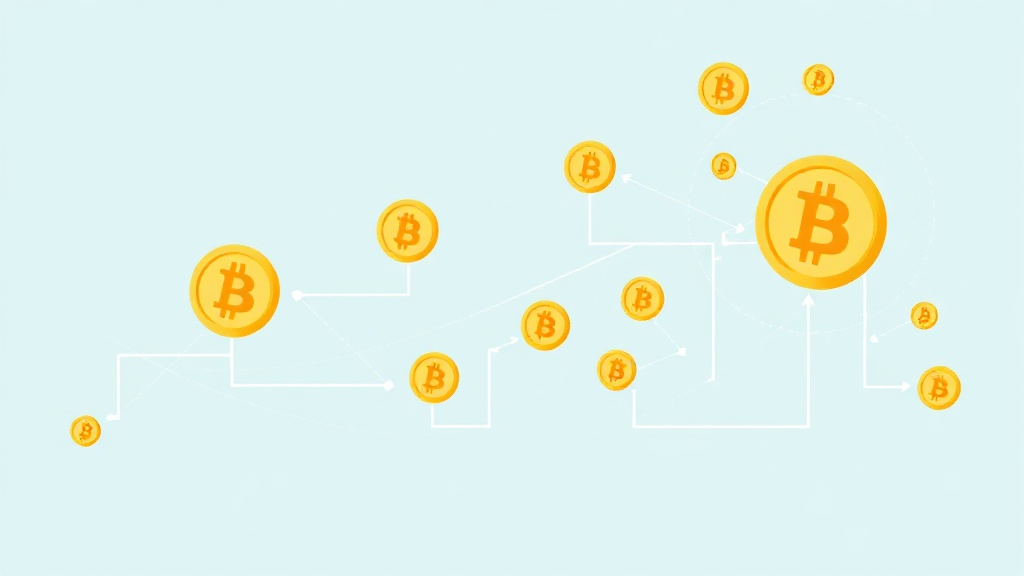
What Is Multi-Hop Fund Tracing in Cryptocurrency?
Multi-hop fund tracing refers to the process of following cryptocurrency transactions through multiple layers or "hops" across different wallets and blockchain networks. Unlike simple fund tracing, which tracks a direct path from sender to receiver, multi-hop tracing involves analyzing complex transaction chains that use mixers, tumblers, privacy coins, and cross-chain bridges to obscure the origin and destination of funds.
This technique is commonly used by investigators, compliance teams, and cybersecurity experts to uncover illicit activities such as money laundering, ransomware payments, or darknet market transactions. However, it’s also a key concept for privacy-conscious users who want to understand how anonymity tools work—and how they can be circumvented.
Why Do Criminals Use Multi-Hop Transactions?
Cryptocurrencies like Bitcoin and Ethereum are pseudonymous, not anonymous. Every transaction is recorded on a public ledger, meaning anyone can trace funds if they know the wallet addresses involved. To avoid detection, criminals employ multi-hop strategies to break the chain of traceability. Here’s how:
- Mixers and Tumblers: Services like Tornado Cash or Wasabi Wallet split and recombine transactions, mixing funds from multiple users to obscure origins.
- Privacy Coins: Monero (XMR), Zcash (ZEC), and Dash offer built-in privacy features that hide sender, receiver, and amount.
- Cross-Chain Bridges: Moving funds between blockchains (e.g., Bitcoin to Ethereum via Wrapped BTC) adds another layer of obfuscation.
- Chain Hopping: Switching between different cryptocurrencies or networks (e.g., BTC → ETH → BNB) makes tracing exponentially harder.
These methods create a web of transactions that can confuse even advanced blockchain analytics tools, delaying or preventing fund recovery and identification.
How Do Investigators Trace Multi-Hop Transactions?
Despite the complexity, multi-hop fund tracing is not impossible. Law enforcement agencies, forensic firms, and blockchain analytics platforms like Chainalysis, TRM Labs, and CipherTrace use advanced techniques to reconstruct transaction paths. Here’s how they do it:
1. Clustering and Address Tagging
Analysts begin by identifying wallet clusters—groups of addresses controlled by the same entity. They use heuristics such as:
- Input-Output Heuristic: Assuming all inputs in a transaction belong to the same user.
- Change Address Detection: Identifying likely change addresses based on transaction patterns.
- Behavioral Analysis: Tracking transaction timing, amounts, and frequency to link wallets.
2. Tracing Through Mixers
Mixers like Tornado Cash are designed to break traceability, but they leave digital footprints. Investigators look for:
- Deposit and Withdrawal Patterns: Matching time windows or amounts between deposits and withdrawals.
- On-Chain Metadata: Analyzing smart contract interactions or transaction logs.
- Off-Chain Intelligence: Using subpoenas to obtain user data from mixer services (where legally possible).
3. Cross-Chain and Cross-Asset Analysis
When funds move across blockchains, analysts use bridge transaction logs and liquidity pool data to follow the flow. For example:
- Tracking wrapped tokens (e.g., WBTC, wETH) back to their original blockchain.
- Monitoring decentralized exchange (DEX) trades to identify wallet ownership.
- Using graph analysis to visualize transaction flows across multiple chains.
Tools and Techniques for Privacy-Preserving Transactions
While multi-hop tracing poses challenges, privacy advocates and legitimate users can still protect their financial data. Here are some of the most effective tools and strategies:
Top Privacy Tools for Crypto Users
- Monero (XMR): Uses ring signatures and stealth addresses to hide sender and receiver identities.
- Zcash (ZEC): Offers optional privacy via zk-SNARKs, which shield transaction details.
- Wasabi Wallet: A Bitcoin wallet with built-in CoinJoin mixing for enhanced privacy.
- Samourai Wallet: Features like Stonewall and PayJoin help obscure transaction links.
- Tornado Cash (deprecated but conceptually relevant): Allowed users to break traceability by mixing ETH and tokens.
Best Practices for Staying Private
If you're using cryptocurrency for privacy reasons, follow these tips to minimize traceability:
- Avoid Reusing Addresses: Generate a new address for each transaction.
- Use Privacy Coins When Possible: Consider Monero for sensitive transactions.
- Leverage Mixers Carefully: Use reputable services and avoid large or frequent deposits.
- Delay Transactions: Wait before moving funds after receiving them to break timing patterns.
- Use VPNs and Tor: Route your internet traffic through privacy networks to avoid IP-based tracking.
- Be Cautious with Centralized Exchanges: KYC requirements can link your identity to on-chain activity.
The Future of Multi-Hop Tracing and Privacy
The arms race between privacy advocates and investigators continues to evolve. Emerging technologies are reshaping both sides:
Advancements in Tracing
- AI-Powered Analytics: Machine learning models are improving the detection of suspicious transaction patterns across chains.
- Zero-Knowledge Proofs (ZKPs): While used for privacy, ZKPs are also being explored for compliance and auditing.
- Regulatory Pressure: Governments are pushing for stricter KYC/AML rules, even on decentralized platforms.
Evolving Privacy Solutions
- Decentralized Mixers: New protocols like Tornado Cash Nova or Hopr aim to improve privacy without central points of failure.
- Atomic Swaps: Enable cross-chain transactions without intermediaries, reducing traceability.
- Mimblewimble: A privacy-focused blockchain protocol used by Grin and Beam to obscure transaction history.
As blockchain technology matures, the balance between privacy and transparency will remain a hotly debated topic—especially in the context of financial freedom, regulatory compliance, and cybersecurity.
Conclusion: Navigating the Complex World of Crypto Privacy
Multi-hop fund tracing is a powerful technique that reveals how privacy tools in cryptocurrency can be analyzed—and sometimes defeated. Whether you're a privacy advocate, a business owner managing crypto funds, or a curious observer, understanding these mechanisms is essential.
For those seeking anonymity, combining privacy coins, mixers, and careful operational security offers the best protection. For investigators and compliance teams, leveraging advanced analytics and cross-chain tools remains critical in tracking illicit flows.
As the crypto ecosystem grows, so too will the sophistication of both privacy tools and tracing methods. Staying informed is your best defense—whether you're protecting your financial privacy or working to uphold regulatory standards.
Remember: True anonymity requires more than just technology—it demands discipline, awareness, and a proactive approach to security.
Related articles


Direct Exposure Scoring: What It Is and Why It Matters for Crypto Privacy
Indirect Exposure Tracing: How Cryptocurrency Privacy is Compromised
Exposure Risk Assessment: Protect Your Crypto Privacy Now

Understanding Counterparty Risk in Cryptocurrency Investments

Unlock Financial Insights with Spending Pattern Analysis
Looking for a privacy tool?
Browse every mixer, exchanger and Telegram bot in one place.