How to Trace and Prevent Dusting Attacks in Crypto Transactions
Understanding Dusting Attacks: A Threat to Crypto Privacy
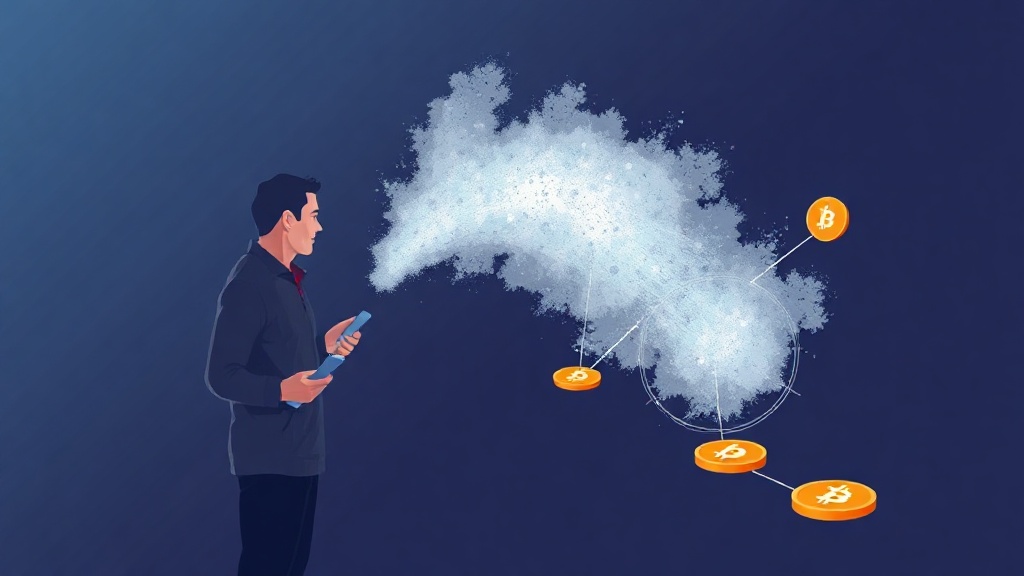
In the world of cryptocurrency, privacy is a top priority for many users. However, a sneaky tactic called a dusting attack threatens this privacy by sending tiny amounts of cryptocurrency—known as "dust"—to wallet addresses. This seemingly harmless transaction is actually a surveillance tool used by malicious actors to trace and deanonymize users.
Dusting attacks work by exploiting blockchain transparency. When dust is sent to a wallet, the attacker links the small transaction to the wallet’s public address. If the user later moves these funds (even by consolidating them), the attacker can trace the entire transaction history, potentially uncovering the user’s identity and financial activities. This is especially dangerous for those using privacy-focused cryptocurrencies or mixing services.
Why Attackers Use Dusting Attacks: Motives and Risks
Attackers deploy dusting attacks for several reasons, all centered around compromising user privacy and security:
- Deanonymization: By tracing dust transactions, attackers can link wallet addresses to real-world identities, especially if the user interacts with regulated exchanges or services that require KYC (Know Your Customer) verification.
- Phishing and Scams: Once an attacker identifies a user’s wallet activity, they may target them with phishing emails, fake airdrops, or other scams to steal funds.
- Market Manipulation: In some cases, attackers may use traced transaction data to manipulate markets or spread misinformation about a particular cryptocurrency.
- Tracking Competitors or Enemies: In high-stakes environments, dusting can be used to monitor the financial movements of rivals, adversaries, or even law enforcement tracking illicit activities.
For cryptocurrency users, the risks extend beyond privacy loss. A successful dusting attack could lead to financial loss, identity theft, or exposure to further cyber threats.
How to Identify and Trace a Dusting Attack
Detecting a dusting attack early can help you mitigate its impact. Here’s how to spot and trace these attacks:
- Check for Tiny Transactions: Look for incoming transactions of negligible value (e.g., 0.00000001 BTC or less) in your wallet. These are often dust.
- Use Blockchain Explorers: Tools like Blockchain.com, Blockstream.info, or Etherscan allow you to inspect transaction details. Search for the dust amount and trace its origin.
- Analyze Transaction Patterns: Attackers often send dust from exchanges or mixers. If multiple tiny transactions appear from the same source, it’s likely a coordinated attack.
- Use Privacy Tools: Services like Samourai Wallet or Wasabi Wallet offer features to detect and handle dust transactions safely.
Once identified, you can trace the dust’s path through the blockchain, but remember—prevention is always better than cure.
Steps to Protect Your Crypto Wallet from Dusting Attacks
Preventing dusting attacks requires a combination of vigilance, wallet hygiene, and privacy-enhancing tools. Here’s what you can do:
- Use a Dedicated Wallet for Dust: Create a separate wallet specifically for receiving dust. Never move dust from this wallet to your main funds. This isolates the threat.
- Avoid Consolidating Dust: Resist the urge to merge small dust amounts with your larger holdings. Consolidation can link your addresses and expose your transaction history.
- Enable Privacy Features: Use wallets with built-in privacy tools, such as:
- CoinJoin (e.g., Wasabi Wallet, Samourai Wallet)
- Stealth addresses (e.g., Monero)
- Tor or VPN integration to obscure your IP address
- Regularly Monitor Incoming Transactions: Set up alerts for small incoming transactions. Many wallets and blockchain explorers offer notification features.
- Use a Hardware Wallet: Hardware wallets like Ledger or Trezor provide an extra layer of security by keeping your private keys offline, reducing exposure to online tracking.
- Avoid Publicly Sharing Addresses: The more you use a single address, the easier it is for attackers to trace your transactions. Use a new address for each transaction when possible.
What to Do If You’ve Been Targeted by a Dusting Attack
If you suspect your wallet has been dusted, don’t panic. Follow these steps to minimize damage:
- Do Not Move the Dust: Avoid sending, spending, or consolidating the dust. Moving it could link your addresses and expose your transaction history.
- Isolate the Dust: Create a new wallet and transfer all funds except the dust to it. This breaks the link between your addresses.
- Use CoinJoin or Mixers: If you’ve moved funds, use a privacy service like Wasabi Wallet’s CoinJoin or a trusted mixer to obfuscate your transaction history. Note: Only use reputable mixers to avoid scams.
- Update Your Security Practices: Review your wallet’s security settings, enable two-factor authentication (2FA), and consider using a VPN to mask your IP address.
- Stay Informed: Follow updates from wallet providers and privacy advocates to learn about new threats and protective measures.
Remember, while dusting attacks are a real threat, they’re also a reminder of the importance of privacy in the cryptocurrency space. By staying informed and proactive, you can protect your financial sovereignty.
Conclusion: Staying Ahead of Dusting Attacks
Dusting attacks are a growing concern in the cryptocurrency world, but they’re not insurmountable. By understanding how these attacks work, recognizing the signs, and taking proactive steps to protect your wallet, you can safeguard your privacy and financial security. Whether you’re a seasoned crypto investor or a privacy enthusiast, staying vigilant is key.
Always remember: privacy is a right, not a privilege. Use the tools and techniques available to you, stay updated on the latest threats, and never underestimate the importance of securing your digital assets. With the right precautions, you can enjoy the benefits of cryptocurrency without falling victim to dusting attacks.
Related articles
Demixing CoinJoin Outputs: Enhancing Crypto Privacy with Advanced Techniques
Deposit Address Attribution: How to Protect Your Crypto Privacy
Exchange Attribution Mapping: Tracking Crypto Transactions for Better Privacy

Multi-Input Clustering: The Key to Cryptocurrency Privacy Analysis
Wallet Fingerprinting: How to Protect Your Crypto Privacy
Looking for a privacy tool?
Browse every mixer, exchanger and Telegram bot in one place.