Token Flow Attribution: Tracking Crypto Transactions for Privacy & Compliance
What Is Token Flow Attribution and Why Does It Matter?
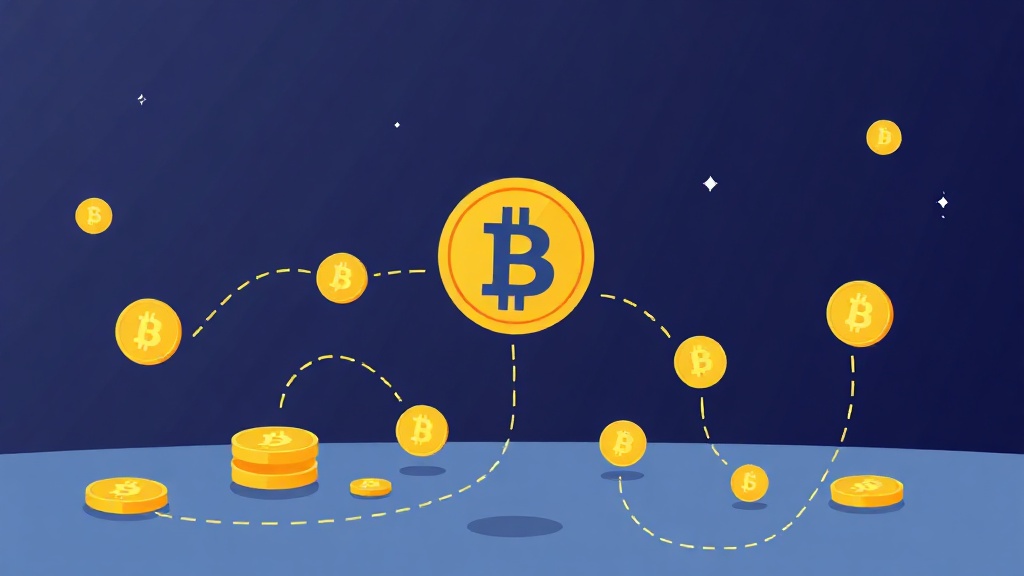
Token flow attribution is the process of tracing the movement of cryptocurrency tokens across blockchain networks to identify their origin, destination, and path. Unlike traditional financial systems, where transactions are often opaque, blockchain transparency allows for detailed tracking of token flows. This capability is crucial for both privacy-conscious users and regulatory compliance.
For privacy advocates, token flow attribution helps avoid exposure of financial activities. For exchanges and financial institutions, it ensures adherence to anti-money laundering (AML) and know-your-customer (KYC) regulations. Understanding how tokens move across wallets and exchanges can reveal patterns, detect illicit activities, and protect users from unintended exposure.
How Token Flow Attribution Works on Blockchains
Token flow attribution relies on blockchain analysis tools that map transaction histories. Every time a token is transferred, it leaves a digital footprint on the public ledger. These tools analyze:
- Transaction inputs and outputs – Identifying which addresses sent and received tokens.
- Address clustering – Grouping multiple addresses controlled by the same entity.
- Heuristic analysis – Detecting patterns such as coin mixing or tumbling services.
- Graph analysis – Visualizing token flow as a network to trace suspicious movements.
For example, if a user sends Bitcoin from an exchange to a privacy-focused mixer like Wasabi Wallet, attribution tools can flag the transaction as potentially linked to anonymization efforts. This insight helps exchanges comply with regulations while enabling users to assess privacy risks.
Privacy Risks: How Token Flow Attribution Can Expose Your Activity
While blockchain transparency is a core feature of cryptocurrencies like Bitcoin and Ethereum, it also introduces privacy risks. If your wallet address is linked to your identity—through an exchange, a public donation, or a social media post—anyone with access to blockchain analysis tools can trace your entire transaction history.
For instance, if you receive funds from a known exchange address, attribution tools can infer that your wallet is associated with that exchange. This linkage can expose your financial behavior, spending habits, or even your geographic location. In extreme cases, it may lead to targeted phishing attacks or identity theft.
To mitigate these risks, privacy-focused strategies such as using coin mixing services, non-custodial wallets, and decentralized exchanges (DEXs) can help obfuscate token flows.
Tools and Techniques for Effective Token Flow Attribution
Several blockchain analysis platforms specialize in token flow attribution. These tools are widely used by exchanges, law enforcement, and researchers to monitor transactions. Some of the most popular include:
- Chainalysis – A leading provider of blockchain investigation tools used by governments and financial institutions.
- Elliptic – Offers compliance and risk management solutions for crypto businesses.
- CipherTrace – Focuses on AML and fraud detection in cryptocurrency transactions.
- TRM Labs – Provides real-time transaction monitoring and risk scoring.
These platforms use machine learning and advanced algorithms to detect suspicious patterns, such as rapid fund movements, interactions with known illicit addresses, or attempts to obscure token origins. While these tools are essential for compliance, they also raise concerns about mass surveillance and loss of financial privacy.
Best Practices for Protecting Your Crypto Privacy
If you value financial privacy, adopting the right strategies can help you minimize exposure through token flow attribution. Here are some practical tips:
- Use privacy coins like Monero (XMR) or Zcash (ZEC), which offer built-in anonymity features.
- Avoid reusing addresses – Generate a new wallet address for each transaction to prevent linking your activity.
- Leverage coin mixers like Tornado Cash (for Ethereum) or Wasabi Wallet (for Bitcoin) to break transaction trails.
- Use decentralized exchanges (DEXs) like Uniswap or PancakeSwap, which do not require KYC and allow for more private trading.
- Run your own node to avoid exposing your IP address to centralized services that may log your activity.
- Be cautious with public disclosures – Sharing wallet addresses on social media or forums can link your identity to your transactions.
By combining these techniques, you can significantly reduce the risk of your token flows being traced back to you.
Conclusion: Balancing Transparency and Privacy in Crypto
Token flow attribution is a double-edged sword. On one hand, it enables regulatory compliance and fraud detection. On the other, it threatens the financial privacy that many cryptocurrency users value. As blockchain technology evolves, so do the tools for tracking and analyzing token movements.
For users who prioritize privacy, staying informed about attribution techniques and adopting best practices is essential. For businesses and regulators, responsible use of attribution tools can help maintain trust and security in the crypto ecosystem. Ultimately, the future of token flow attribution will shape how we balance transparency with the fundamental right to financial privacy.
By understanding how token flows are tracked—and how to protect your own transactions—you can navigate the crypto landscape with greater confidence and control.
Related articles
How to Trace Liquidity Pools in DeFi: A Privacy-Focused Guide
How to Trace Asset Swaps for Better Crypto Privacy & Security
Chain Hopping Detection: How to Protect Your Crypto Privacy

Cross-Chain Bridges: Understanding Attribution and Privacy Risks in Crypto
Multi-Hop Fund Tracing: How Crypto Transactions Stay Hidden
Looking for a privacy tool?
Browse every mixer, exchanger and Telegram bot in one place.