How to Trace Asset Swaps for Better Crypto Privacy & Security
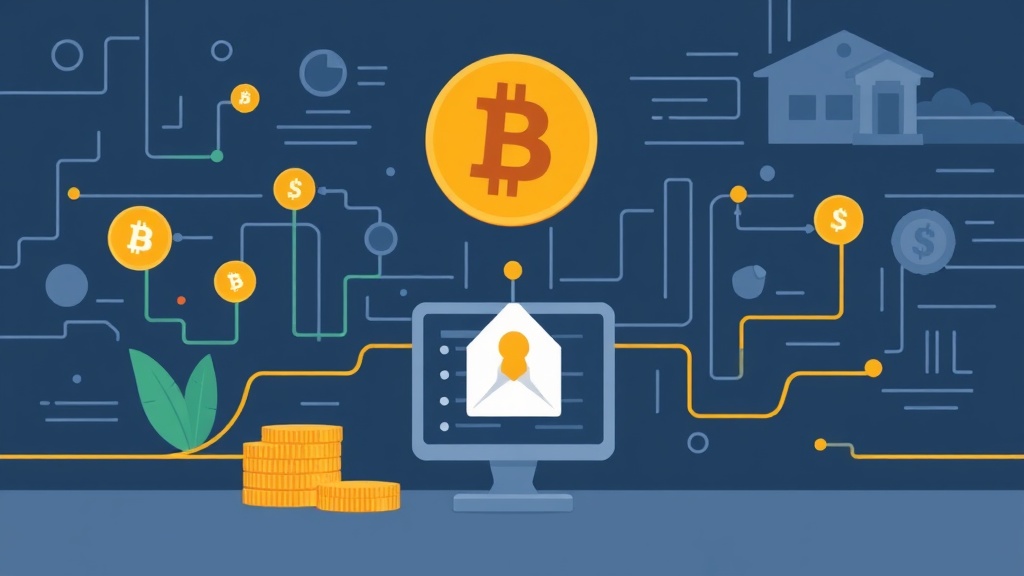
Understanding Asset Swaps in Cryptocurrency
An asset swap occurs when one cryptocurrency is exchanged for another, often across different blockchains or through decentralized exchanges (DEXs). Unlike traditional financial swaps, crypto asset swaps are peer-to-peer, transparent on public ledgers, but can still obscure user identities. Tracing these swaps is crucial for privacy, security, and regulatory compliance. Whether you're a trader, investor, or privacy advocate, understanding how asset swaps work—and how they can be traced—helps protect your digital assets.
Why Tracing Asset Swaps Matters for Privacy
Cryptocurrency transactions are pseudonymous by design, but they’re not entirely anonymous. Every swap leaves a digital footprint on the blockchain. Tracing asset swaps helps individuals and organizations:
- Detect suspicious activity: Identify potential scams, wash trading, or money laundering.
- Enhance security: Spot unauthorized transfers or compromised wallets.
- Improve compliance: Meet KYC/AML requirements for exchanges and institutions.
- Protect privacy: Understand how your transactions can be linked across chains.
Without proper tracing, users risk exposing their financial behavior, making them vulnerable to targeted attacks or regulatory scrutiny.
Tools and Techniques for Tracing Asset Swaps
Several blockchain analysis tools and methods are used to trace asset swaps across different networks:
- Blockchain Explorers: Tools like Etherscan, Blockchain.com, or Solscan allow you to view transaction details, wallet balances, and token transfers.
- Cross-Chain Bridges: Platforms like Polygon Bridge, Arbitrum, or Cosmos IBC enable asset transfers between chains. Tracing these often involves tracking wrapped tokens (e.g., wBTC, wETH) back to their origin.
- Chainalysis & TRM Labs: Advanced blockchain forensics platforms used by governments and exchanges to trace illicit flows and link wallets.
- Privacy Coin Analysis: Monero, Zcash, and Dash use advanced cryptography. While they offer anonymity, techniques like transaction graph analysis and timing attacks can sometimes reveal patterns.
It’s important to note that while these tools are powerful, they are not foolproof—especially with privacy-focused cryptocurrencies or mixers like Tornado Cash.
Step-by-Step Guide: How to Trace an Asset Swap
Follow this practical process to trace an asset swap across blockchains:
- Identify the source and destination wallets: Start with the wallet addresses involved in the swap. Use a blockchain explorer to confirm the transaction hash and input/output addresses.
- Check for wrapped tokens: If the swap involves a wrapped asset (e.g., WBTC on Ethereum), trace it back to the original token minting event.
- Analyze transaction graphs: Use tools like Dune Analytics or Aleph.im to visualize transaction flows and detect clustering (e.g., multiple wallets controlled by the same entity).
- Cross-reference with DEX data: If the swap occurred on Uniswap, PancakeSwap, or 1inch, check the liquidity pool and trade history to see if the transaction was part of a larger trade.
- Use blockchain forensics platforms: For deeper analysis, input the wallet address into Chainalysis Reactor or TRM Forensics to see associated addresses, risk scores, and transaction patterns.
Remember: Tracing is easier on transparent chains like Bitcoin or Ethereum than on privacy coins. Always respect privacy laws and ethical boundaries when conducting analysis.
Best Practices for Secure and Private Asset Swaps
While tracing can enhance security, it can also compromise privacy. Here are tips to keep your asset swaps secure and discreet:
- Use privacy-focused wallets: Wallets like Wasabi Wallet (for Bitcoin) or Monero’s official GUI wallet help obscure transaction trails.
- Avoid reusing addresses: Generate a new wallet address for each swap to reduce linkability.
- Use decentralized mixers cautiously: Services like Tornado Cash can help anonymize funds, but they are sanctioned in some jurisdictions and may attract scrutiny.
- Leverage cross-chain bridges with caution: Some bridges log user data. Opt for non-custodial bridges like THORChain or Squid Router when possible.
- Monitor wallet activity regularly: Use portfolio trackers like DeBank or Zapper to detect unauthorized transactions early.
By combining tracing tools with privacy best practices, you can balance transparency and anonymity in your crypto dealings.
Conclusion: Balancing Transparency and Privacy in Crypto
Tracing asset swaps is a double-edged sword: it enhances security and compliance but can also erode financial privacy. As blockchain technology evolves, so do the tools for tracking transactions across chains. Whether you're a privacy advocate, a trader, or a compliance officer, staying informed about tracing techniques—and how to protect yourself—is essential in the crypto space.
Use blockchain explorers and forensics tools responsibly. Combine them with privacy-enhancing practices like address rotation and decentralized exchanges. And always stay updated on regulatory changes that may impact how your transactions are viewed.
In the fast-moving world of cryptocurrency, knowledge is power—and privacy is a right. By mastering asset swap tracing, you take control of your digital financial footprint.
Related articles

Cross-Chain Bridges: Understanding Attribution and Privacy Risks in Crypto
Multi-Hop Fund Tracing: How Crypto Transactions Stay Hidden
Transaction Hop Analysis: How to Protect Your Crypto Privacy
Direct Exposure Scoring: What It Is and Why It Matters for Crypto Privacy
Indirect Exposure Tracing: How Cryptocurrency Privacy is Compromised
Looking for a privacy tool?
Browse every mixer, exchanger and Telegram bot in one place.