Chain Hopping Detection: How to Protect Your Crypto Privacy
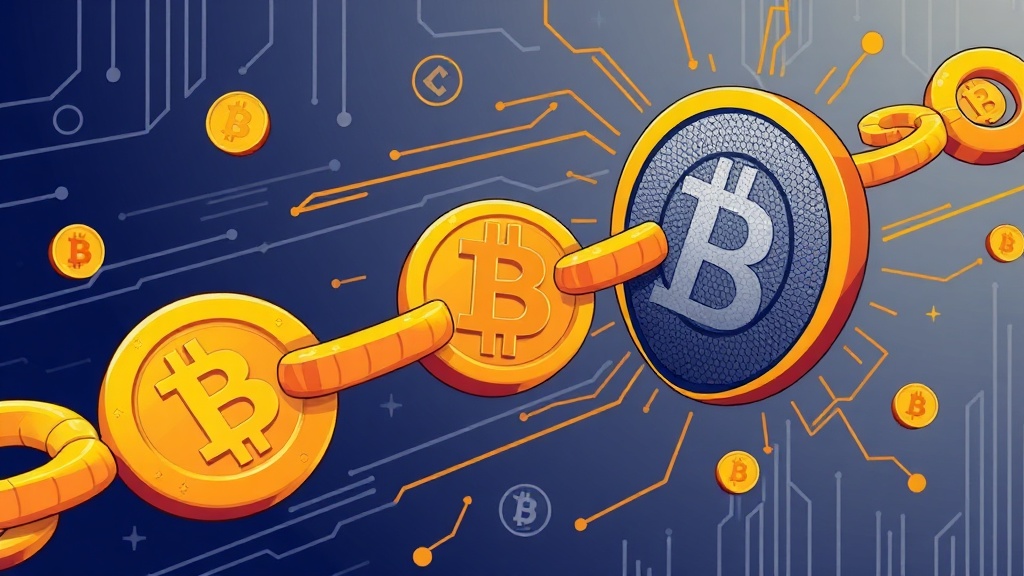
What Is Chain Hopping and Why Does It Matter?
Chain hopping refers to the practice of rapidly switching between different blockchain networks—often within seconds—to obscure transaction trails or exploit arbitrage opportunities. While this tactic can be used for legitimate purposes, it’s also a red flag for privacy-focused individuals and compliance teams monitoring suspicious crypto activity.
Blockchain forensics tools like Chainalysis and TRM Labs can trace funds across multiple chains by analyzing transaction patterns, wallet clustering, and IP addresses. When a user jumps from Ethereum to Polygon to Arbitrum in minutes, it creates a fragmented footprint that’s harder to track—but not impossible. Detecting chain hopping helps exchanges, investigators, and privacy-conscious users identify risky behavior before it escalates into fraud or money laundering.
How Chain Hopping Detection Works: The Technology Behind It
Modern blockchain analytics platforms use a combination of on-chain and off-chain data to detect chain hopping. Here’s how the process typically unfolds:
- Address Clustering: Algorithms group wallets that interact with the same addresses across different chains, revealing coordinated activity.
- Transaction Timing Analysis: Sudden jumps between networks with timestamps under 30 seconds are flagged as suspicious.
- Behavioral Modeling: Machine learning compares user behavior against known patterns of illicit actors, such as rapid cross-chain swaps to avoid detection.
- IP and Device Fingerprinting: If a single device initiates transactions on multiple chains, it’s often linked to coordinated hopping.
These systems don’t just flag individual transactions—they build a risk profile for wallets based on their entire transaction history. For example, a wallet that hops between five chains in one hour may be labeled as high-risk, even if no illegal activity has occurred yet.
Common Use Cases for Chain Hopping (Good vs. Bad)
Not all chain hopping is malicious. Understanding the intent behind it helps distinguish between legitimate users and potential threats.
Legitimate Reasons for Chain Hopping
- Yield Farming: Traders move funds across chains to maximize APY on DeFi protocols like Aave or Compound.
- Gas Optimization: Switching from Ethereum mainnet to a Layer 2 (e.g., zkSync) to reduce transaction fees.
- Cross-Chain Arbitrage: Exploiting price differences between decentralized exchanges on different networks.
- Privacy Tools: Using mixers or privacy coins (e.g., Monero) in combination with chain hopping to enhance anonymity.
Suspicious or Illicit Chain Hopping
- Money Laundering: Breaking large transactions into smaller chunks across multiple chains to obscure origin.
- Scam Avoidance: Rapidly moving stolen funds through different networks to evade exchange freezes.
- Wash Trading: Artificially inflating volume by hopping between controlled wallets on different chains.
- Sanctions Evasion: Circumventing regulatory restrictions by routing funds through non-compliant networks.
Regulators like FinCEN and the EU’s MiCA framework increasingly scrutinize chain hopping as a potential tool for financial crime. Exchanges are now required to implement Travel Rule compliance even for cross-chain transactions.
Tools and Techniques for Detecting Chain Hopping
Whether you're a crypto investor, compliance officer, or blockchain analyst, these tools can help you monitor and detect chain hopping effectively.
On-Chain Analytics Platforms
- Chainalysis Reactor: Tracks wallet behavior across 20+ blockchains with real-time alerts for suspicious patterns.
- TRM Forensics: Uses AI to detect coordinated cross-chain activity and links wallets to known illicit entities.
- Nansen: Provides wallet labels and transaction graphs to identify rapid chain transitions.
- Dune Analytics: Custom dashboards can be built to monitor specific chain-hopping behaviors in real time.
Privacy-Preserving Alternatives
If you're concerned about privacy but want to avoid detection, consider these methods:
- CoinJoin: Mix your coins with others using services like Wasabi Wallet or Samourai Wallet.
- Stealth Addresses: Use wallets like Monero or Zcash that obscure transaction origins.
- Atomic Swaps: Exchange assets directly between chains without intermediaries, reducing traceability.
- Lightning Network: Conduct small transactions off-chain to minimize on-chain footprint.
Best Practices to Stay Ahead of Chain Hopping Detection
If you're using chain hopping for legitimate purposes—whether for privacy, yield, or arbitrage—follow these tips to minimize risk and avoid false flags.
- Space Out Transactions: Wait at least 10–15 minutes between chain transitions to reduce suspicious clustering.
- Use Multiple Wallets: Avoid reusing the same wallet across different chains; spread activity across multiple addresses.
- Monitor Gas Fees: Plan your chain hops during low-network congestion to avoid timing patterns that look automated.
- Check Exchange Policies: Some exchanges flag rapid cross-chain deposits as potential fraud—contact support if unsure.
- Use Privacy Tools Wisely: Combine chain hopping with CoinJoin or mixers, but be aware that some exchanges ban mixed funds.
- Stay Updated on Regulations: Follow guidelines from FATF and local authorities to ensure compliance.
Conclusion: Balancing Privacy and Compliance in a Multi-Chain World
Chain hopping detection is becoming more sophisticated as blockchain ecosystems grow. While it can be a powerful tool for privacy and efficiency, it’s also a double-edged sword that can attract regulatory scrutiny or fraud alerts. The key is to use chain hopping responsibly—whether you're a DeFi trader, privacy advocate, or compliance professional.
For privacy-focused users, combining chain hopping with tools like mixers and stealth addresses can enhance anonymity. For businesses, implementing robust monitoring and staying ahead of regulatory trends is essential to avoid penalties. Ultimately, the future of chain hopping lies in privacy-preserving technologies and regulatory clarity—both of which are evolving rapidly.
Stay informed, use tools wisely, and always consider the balance between anonymity and compliance in the ever-expanding crypto landscape.
Related articles

Cross-Chain Bridges: Understanding Attribution and Privacy Risks in Crypto
Multi-Hop Fund Tracing: How Crypto Transactions Stay Hidden
Transaction Hop Analysis: How to Protect Your Crypto Privacy
Direct Exposure Scoring: What It Is and Why It Matters for Crypto Privacy
Indirect Exposure Tracing: How Cryptocurrency Privacy is Compromised
Looking for a privacy tool?
Browse every mixer, exchanger and Telegram bot in one place.